Stratford rubbish removal guide for flats and estates
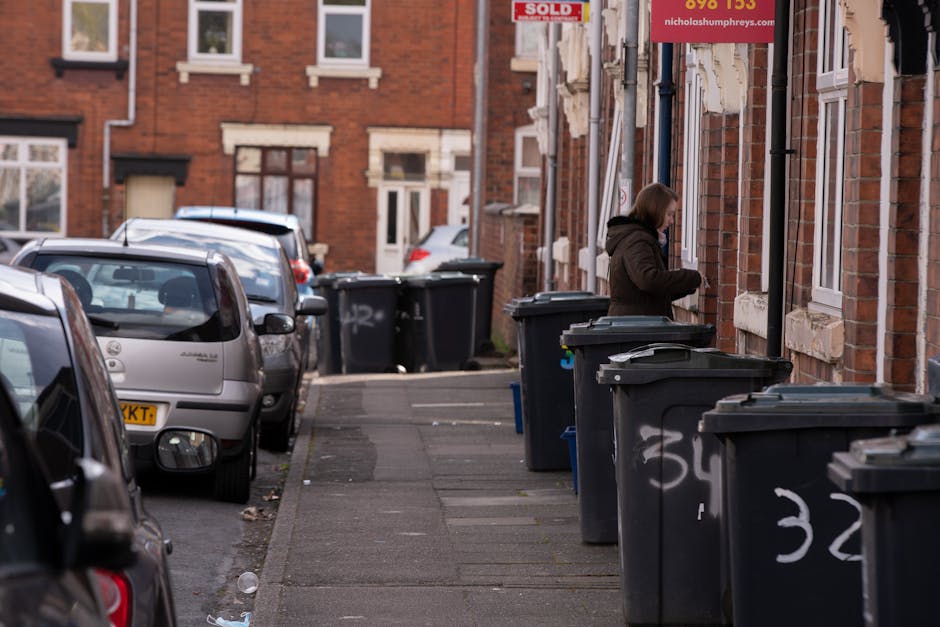
If you live in a Stratford flat or manage an estate, rubbish has a way of building up quietly and then suddenly becoming a problem. One broken wardrobe, a sofa left in a corridor, a bin store that's always half-full, and before you know it the whole place feels less orderly than it should. This Stratford rubbish removal guide for flats and estates is here to make the process clearer, calmer, and far more manageable.
Whether you're dealing with a single bulky item, a post-tenant clear-out, or ongoing communal waste, the right approach saves time, reduces complaints, and helps avoid those awkward moments that always seem to happen at the worst possible time. Let's face it, nobody wants to be the person who blocks a stairwell with an old mattress.
In this guide, you'll learn how rubbish removal works in flats and estates, what to watch out for, how to organise collections smoothly, and which service options make sense in different situations. We'll also cover useful compliance points, practical mistakes to avoid, and a few local-minded tips that can make a real difference on the day.
Why Stratford rubbish removal guide for flats and estates Matters
Flats and estates create rubbish challenges that a standard house clearance simply doesn't always face. Shared entrances, lift access, narrow corridors, bin stores, estate rules, parking restrictions, and neighbours who notice everything can turn a simple job into a logistical puzzle. That's why a dedicated approach matters.
In Stratford, the mix of apartment blocks, newer developments, and busy estate layouts means waste can collect quickly in the places where it causes the most friction: hallway corners, service yards, bin rooms, basement stores, and loading bays. One missed collection or one poorly timed clearance can affect multiple households, not just one.
There's also the practical side. Items left in shared areas can obstruct access and create safety issues. In our experience, the biggest headaches come from people assuming they can "just pop it out later". Later often turns into a week. Then the whole block notices.
This guide matters because it helps you think ahead. It's not just about getting waste removed. It's about doing it in a way that keeps residents happy, reduces avoidable damage, and fits the realities of communal living. If you're handling repeated clearances, you may also find it useful to compare related services such as flat clearance and rubbish removal, especially when a job involves more than a few bin bags.
How Stratford rubbish removal guide for flats and estates Works
At a practical level, rubbish removal in flats and estates follows a fairly simple pattern: identify the waste, agree access, choose the right collection method, and remove the items without disrupting residents. The details are where things either go smoothly or go sideways.
For a small flat clear-out, a collection might involve a few bulky items, bags of mixed rubbish, and maybe a quick sweep-up afterwards. On an estate, the same task could require lift bookings, loading bay access, permit checks, timed entry windows, and coordination with a managing agent or concierge. Not exactly dramatic, but definitely worth planning.
Many people use a service that handles lifting, loading, and disposal in one go. That's often the simplest route when you're short on time or dealing with awkward furniture. If you need to move a sofa, for example, a dedicated sofa removal service can be the difference between a painless job and an afternoon spent trying to angle a corner sofa through a doorway that was clearly designed by someone with a vendetta.
For estate managers, the process may also include repeated collections for communal waste, end-of-tenancy clearances, or ad hoc fly-tipping removal. In those cases, a regular collection schedule is usually better than waiting until the problem becomes visible. Waste left in communal spaces tends to spread. One bag becomes three, then a fridge appears somehow. It happens.
Key Benefits and Practical Advantages
The main benefit of a well-run rubbish removal plan is simple: the estate feels easier to live in. But the practical advantages go further than appearance.
- Less clutter in communal spaces: Hallways, stairwells, bin stores, and loading bays stay safer and more usable.
- Fewer resident complaints: Good timing and clean removal reduce noise, odours, and frustration.
- Better turnaround for lettings: Empty flats can be prepared faster after a move-out or refurbishment.
- Lower risk of damage: Trained lifting and careful route planning help protect walls, doors, and floors.
- More efficient use of time: Instead of several trips to a tip or recycling point, the job gets finished in one visit.
- Cleaner communal image: A tidy estate simply feels better managed, and residents notice that.
There is also a less obvious advantage: clarity. Once people know where waste should go, who is responsible, and how collections are booked, the same issue doesn't keep resurfacing. That's a big win in any block or estate setting.
If the items are mixed and not all household waste, you may also want to look at waste clearance or waste removal depending on the scale of the job. For estates, that broader approach often works better than trying to sort everything in a rush.
Who This Is For and When It Makes Sense
This guide is useful for a few different people, and the needs are not identical.
Residents in flats often need help with bulky furniture, old appliances, or rubbish left behind after a move. If you've ever carried a wardrobe down three flights of stairs and thought, "never again", you're the audience.
Landlords and letting agents need fast turnaround between tenancies. That usually means mixed waste, leftover belongings, and occasional problem items like mattresses, dismantled shelves, or broken office chairs.
Estate managers and block managers need a reliable process for communal waste, abandoned items, and occasional deep clearances of bin stores, garages, or service rooms.
Contractors and refurbishment teams may need rubbish removed after internal works, particularly where access is tight or shared with residents. In those cases, a service that also deals with builders' materials can be more practical, and builders waste support may be more relevant than a standard household collection.
It makes sense whenever the waste is too bulky, too awkward, too much, or too urgent for residents to manage alone. If the route out of the building is already a headache, outsourcing the lift-and-load side usually pays for itself in stress saved.
Step-by-Step Guidance
A sensible approach keeps the job orderly and avoids the common "where did that go?" problem. Here's a straightforward way to handle it.
- Identify what needs removing. Separate general rubbish, bulky furniture, electrical items, and anything that may need special handling.
- Check access early. Note floor level, lift availability, parking restrictions, security entry, and any booking rules for the building.
- Confirm responsibility. Decide whether the waste belongs to a resident, landlord, managing agent, or contractor.
- Take photos if needed. This helps with planning, especially for larger items or repeated estate jobs.
- Book a suitable service. Make sure the provider can handle the size and type of waste, not just the date.
- Clear a route. Move items away from doors, lifts, and shared walkways before collection day.
- Communicate timing. Let residents or neighbours know if there will be noise, parking changes, or temporary access restrictions.
- Check after collection. Make sure the area is left safe and that no small items were missed.
A small but useful tip: if the removal includes mixed household items, tell the provider whether there are any awkward pieces, like broken glass, fitted wardrobes, or heavy white goods. It sounds minor. It rarely is.
For estate-level clearances that include furniture, a combined approach can save time. Related services such as furniture disposal and rubbish clearance can be a better fit when you need both bulky item handling and general waste removal in one visit.
Expert Tips for Better Results
Good rubbish removal is often about what you do before the collection van arrives.
- Use one staging point: Put items in a single agreed location, not scattered across corridors.
- Protect common areas: If there's a risk of scuffing, use temporary floor protection or move items carefully along the route.
- Prioritise the bottlenecks: Door frames, lift sizes, and tight turns matter more than people expect.
- Keep residents informed: A quick notice can prevent confusion and reduce complaints.
- Choose the right time of day: Mid-morning or early afternoon often works better than peak commuting hours.
- Bundle similar tasks together: If you already have a clearance booked, it may be sensible to include extra items rather than arranging another visit next week.
And here's the honest bit: estates are easier when the process is boring. Boring is good. Boring means predictable, and predictable usually means fewer problems.
If you manage a block with mixed needs, it can help to review service pages like waste collection and waste disposal to understand which type of removal is most suitable for recurring waste streams versus one-off clearances.
Common Mistakes to Avoid
A lot of avoidable issues come down to planning, or the lack of it.
- Leaving waste in shared areas too long. It can block access and create friction with neighbours.
- Assuming all waste is the same. Bulky furniture, electrical items, and builders' waste may need different handling.
- Forgetting about access restrictions. A collection team can't always park wherever they like, especially in busy parts of Stratford.
- Not checking the route. A sofa that fits on paper can still get stuck on the turn at the bottom of the stairs.
- Skipping communication. Residents don't enjoy surprises in communal hallways, fair enough.
- Choosing only on price. The cheapest option can become expensive if it wastes time or causes damage.
One subtle mistake is underestimating the volume. People often say "it's just a few bits", then point to a room full of bags, boxes, and a headboard the size of a small canoe. Honest estimate first. Saves everyone a headache.
Tools, Resources and Recommendations
You do not need a huge toolkit to manage estate rubbish removal well, but a few practical items make the process smoother.
- Sturdy gloves: Useful for moving sharp-edged or dusty items.
- Strong refuse sacks: Best for bagging loose waste before collection.
- Tape and labels: Helpful when separating items for different disposal routes.
- Measuring tape: A quick way to check whether bulky furniture will fit through lifts or doorways.
- Camera phone: Good for documenting the waste and route before the job starts.
- Basic floor protection: Especially useful in managed blocks with polished communal flooring.
For estates that regularly produce mixed waste, it can be useful to think beyond one-off removal. Services like business waste may be relevant where a residential block also contains commercial units, staff rooms, or shared back-of-house spaces. That mixed-use detail matters more than people realise.
Also, if your rubbish removal includes an empty flat, a storage room, or an inherited property being cleared, related services such as home clearance and house clearance can be useful references even when the setting is a flat rather than a house. The principle is the same: remove safely, sort sensibly, and leave the place usable again.
Law, Compliance, Standards, or Best Practice
With flats and estates, compliance is less about making things complicated and more about avoiding problems that can quickly become expensive or awkward.
In the UK, waste should be managed responsibly by the person or organisation arranging disposal. That usually means using a provider that handles waste properly, keeping records where appropriate, and not leaving items where they create hazards or block shared access. If you are managing an estate, it's also wise to follow your building's own rules on access, bookings, fire routes, and bin store use.
For landlords and managing agents, best practice usually means:
- keeping clear instructions on where items may be placed before collection;
- making sure waste does not block fire exits, corridors, or lift access;
- planning larger collections at sensible times;
- communicating with residents before work starts;
- checking that bulky items are handled without damaging communal property.
If hazardous items are involved, or if waste looks contaminated, treat it carefully and seek the right handling route rather than guessing. That is one place where caution really matters. No shortcuts, not there.
A good service should also respect the practical standards that matter in shared buildings: careful lifting, tidy loading, and no mess left behind. That may sound basic, but you'd be surprised how often basic is what people are paying for.
Options, Methods, or Comparison Table
There are a few ways to deal with rubbish in Stratford flats and estates. The best choice depends on volume, urgency, access, and whether the waste is general household rubbish or something more specialised.
| Method | Best for | Pros | Limitations |
|---|---|---|---|
| DIY bagging and bin store disposal | Small amounts of everyday rubbish | Simple for minor waste, no booking needed | Can be slow, messy, and unsuitable for bulky items |
| One-off rubbish removal | Bulky items, one-room clear-outs, ad hoc estate issues | Fast, convenient, reduces lifting for residents | Needs access planning and clear item lists |
| Scheduled waste collection | Regular communal waste or repeated overflow issues | Predictable, easier for estate management | Less flexible for sudden clear-outs |
| Specialised item removal | Sofas, furniture, white goods, or mixed bulky waste | Better handling for awkward items | May need more detail upfront |
For most flats, the decision comes down to one question: is this a quick tidy-up or a proper clearance? If it's a proper clearance, use a service designed for it. If it's recurring communal waste, a planned collection route usually works better than reactive cleaning up after the fact.
Case Study or Real-World Example
Picture a mid-floor flat in Stratford with an old bed frame, two wardrobes, several bags of mixed rubbish, and a hallway that's already tight enough as it is. The resident had been meaning to deal with it for weeks. Then a move-out deadline appeared, as deadlines do, and everything suddenly mattered more.
The workable solution was simple: measure the furniture, clear the route, set the items in one corner of the room, and arrange a collection at a time when the lift would be quieter. The wardrobes were removed first because they were the biggest risk for damage on the stairwell turn. The bags went last, and the hallway was checked before the team left. No drama, no pile-up outside the lift, no complaints from neighbours.
On a larger estate, the same principle applies but with more moving parts. A bin store clean-up might involve abandoned items, loose packaging, and one or two bulky pieces left behind after a resident move. In that case, a broader clearance plan is easier than trying to fight the problem piece by piece. A service geared toward waste removal can be a better fit when the estate needs an end-to-end solution rather than a one-off tidy.
The lesson? Clear information, clear access, and a realistic time slot make a much bigger difference than people expect. The job feels smaller once it's properly framed.
Practical Checklist
Use this before collection day. It keeps the job calm and helps prevent last-minute surprises.
- Identify every item that needs removing.
- Check whether anything is fragile, sharp, heavy, or awkward.
- Measure doorways, stairs, and lifts if furniture is involved.
- Confirm parking or loading access.
- Tell residents, tenants, or neighbours about the collection window if needed.
- Move waste to one agreed collection point if the building allows it.
- Separate reusable items from general rubbish if that helps planning.
- Keep communal walkways, exits, and lift entrances clear.
- Take photos of the area before and after if you manage the property.
- Make sure the site is left tidy once the removal is complete.
Expert summary: The best rubbish removal in flats and estates is not the fastest in theory; it's the one that avoids disruption, fits the building layout, and leaves everyone with less to complain about. That's the real win.
Conclusion
Stratford flats and estates need a rubbish removal approach that is practical, discreet, and easy to coordinate. Shared spaces magnify small issues, which means good planning matters more here than it might in a single household. The right service, the right timing, and a clear understanding of access can turn a stressful job into a straightforward one.
Whether you're clearing one flat, managing recurring communal waste, or dealing with a larger estate clean-up, keep the process simple: know what's being removed, check the route, communicate early, and choose the right type of collection for the job. That is usually enough to keep the whole thing under control.
And if you're still weighing up options, start with the amount of waste and the building access. Those two details tell you nearly everything you need to know.
Get a free quote today and see how much you can save.
When rubbish is handled properly, a flat feels lighter, an estate feels calmer, and the day just moves better. Small thing, maybe. But in a busy place, small things count.
Frequently Asked Questions
What is the best way to arrange rubbish removal for a Stratford flat?
The best way is to list the items, check access, and book a collection that matches the size and type of waste. If bulky furniture is involved, mention it early so the route and timing can be planned properly.
How is rubbish removal in estates different from a normal house clearance?
Estates usually involve shared access, bin stores, lifts, communal corridors, and resident coordination. That makes timing and communication more important than in a standard house clearance.
Can bulky items like sofas and wardrobes be removed from flats?
Yes, provided access is workable and the items are described accurately. Sofas, wardrobes, beds, and similar bulky pieces are common in flat clear-outs, but they often need careful lifting and route planning.
Do I need permission to remove rubbish from a managed estate?
In many cases, yes, or at least approval from the managing agent, concierge, or landlord. Shared buildings often have rules about access, parking, lift bookings, and where waste can be staged.
What should I do if rubbish is blocking a communal corridor?
Remove it as soon as possible and do not leave it in a fire route or shared walkway. If it's too large or awkward to move safely, arrange removal quickly rather than dragging it through the building.
Is it better to book one-off removal or regular waste collection?
One-off removal suits clear-outs and bulky items. Regular collection works better for estates or buildings where waste appears consistently and needs a planned schedule.
How do I prepare furniture for collection in a flat?
Clear the route, remove loose contents, take off detachable parts if possible, and position items in an accessible place. If the item is very large, tell the provider beforehand.
What are the common problems with rubbish removal in Stratford blocks?
The most common problems are restricted parking, lift access, tight stairwells, poor communication, and leaving waste in the wrong place. Those are usually avoidable with a bit of planning.
Can estate managers use rubbish removal for bin store clean-ups?
Yes, and they often do. Bin store clean-ups are one of the most practical uses of estate rubbish removal because they restore access and stop the area becoming messy again.
How do I avoid complaints from neighbours during a collection?
Choose a sensible time, give notice where needed, keep communal areas clear, and make sure the collection is completed efficiently. Most complaints come from disruption, not the removal itself.
What if the rubbish includes mixed items like furniture, bags, and small appliances?
That's fine, but it should be described clearly before booking. Mixed waste usually needs a more organised collection plan, especially if some items are heavier or more awkward than others.
What's the safest way to clear rubbish from upper-floor flats?
Use proper lifting techniques, avoid rushing, and check whether lifts, stairways, and door widths can handle the items. For heavy or bulky waste, professional help is usually the safer choice.